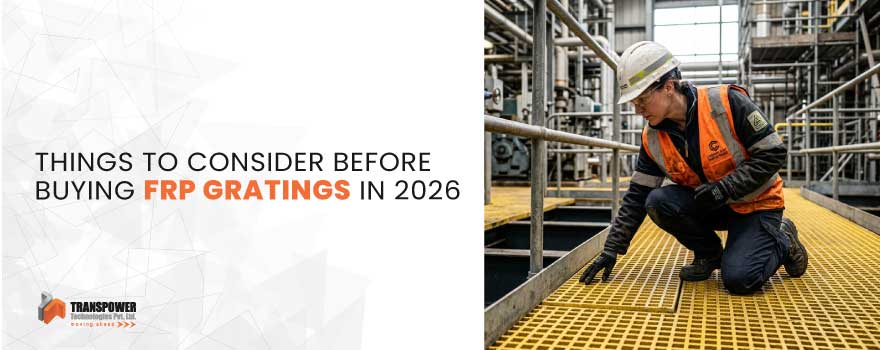
Fiber reinforced plastic (FRP) grating has become a preferred choice across industries due to its durability, corrosion resistance and lightweight structure. As industries continue to evolve in 2026, the demand for efficient and long-lasting materials is greater than ever. However, choosing the right FRP grating requires careful evaluation of many factors to ensure optimal performance and cost-effectiveness.
Load-Bearing Capacity
One of the most important factors to consider is the load bearing capacity of FRP grating. Different industrial applications require different levels of strength. For example, walkways and platforms may require moderate load capacity, while heavy-duty industrial flooring requires high strength. Always assess expected load conditions and select grating that meets or exceeds those requirements to avoid structural failures.
Type of FRP Grating
FRP gratings are available in two main types: molded and pultruded. Molded gratings are ideal for corrosion-resistant environments and provide bi-directional strength. Pultruded gratings, on the other hand, offer higher load-bearing capacity and are suitable for applications requiring longer spans. Understanding the differences between these types helps select the right product for your specific use.
Corrosion and Chemical Resistance
Industries such as chemical processing, oil and gas, and waste water treatment often operate in highly corrosive environments. FRP grating is known for its excellent resistance to chemicals, but the level of resistance varies depending on the resin used. Ensure that the grating material is compatible with the chemicals present in your facility to maximize lifespan and performance.
Installation and Maintenance
Ease of installation is another important factor. FRP gratings are generally lightweight, making them easier to handle and install than traditional materials such as steel. However, proper support structures and fastening systems must be considered. Additionally, FRP grating requires minimal maintenance, but choosing high-quality materials reduces long-term maintenance costs.
Cost vs Long-Term Value
While the initial cost of FRP grating may be higher than traditional materials, their long-term benefits often outweigh the investment. They offer lower maintenance costs, longer lifespan and better resistance to environmental damage. Instead of just focusing on upfront pricing, consider total lifecycle cost when making your decision.
Compliance with Standards
Ensure that FRP grating meets relevant industry standards and certifications. It guarantees quality, safety and reliability. Working with trusted suppliers that adhere to these standards is essential to ensure consistent product performance.
Conclusion
Selecting the right FRP grating in 2026 requires a balanced approach that considers strength, durability, safety and cost-effectiveness. By evaluating these key factors, businesses can make informed decisions that increase operational efficiency and safety. For industries looking for reliable and high quality FRP grating solutions, Transpower Technologies offers the best solutions, combining expertise, quality products and dependable service to meet modern industrial needs.